
Tower creates a structured climbing experience where each level introduces different outcomes and decisions. Available at LVJILI, the game focuses on progression mechanics rather than fast-paced actions. Every stage requires attention because advancement depends on selecting the correct path through the structure.
Understanding the structure behind tower progression
Many level-based games use simple step-by-step advancement systems, but tower introduces a more layered progression model where each stage is connected to the next through consecutive decisions. Instead of progressing automatically, participants must move carefully through each level while maintaining the results they have already accumulated. This creates a structured climb where every action directly influences how far a player can continue within a session.
The core idea of tower is centered on controlled progression rather than instant advancement. Each successful move allows the participant to move one step higher, but at the same time, every new level introduces additional pressure and uncertainty. Because of this, progression is not only about moving forward but also about deciding when it is safer to stop and secure current results instead of continuing upward.
As players move upward, the structure becomes increasingly important because each step carries greater significance. A single unfavorable outcome can affect the entire progression path, so decision-making becomes more critical at advanced levels. This layered design encourages participants to think beyond individual moves and focus on overall session stability.

View more: Rocket Crash – Top 5 Smart Ways To Improve Results
Core gameplay mechanics affecting advancement choices
Several gameplay elements influence progression across different stages. Understanding these factors helps participants evaluate movement throughout each session in the tower.
Level selection process
Each stage presents multiple options before advancement can continue toward higher positions. Players must select carefully because every choice influences subsequent progression. Available paths appear clearly within the interface, supporting straightforward interaction during active rounds. The visual arrangement allows members to focus on decision-making rather than navigation.
Correct selections unlock access to additional levels higher within the structure. Consistent advancement gradually increases overall progression opportunities across gameplay. Later stages often create greater anticipation because accumulated results continue growing. This progression system encourages careful observation during each movement in the tower.
As players move higher within structure, the significance of each decision increases. Early stages may feel more forgiving, but later levels introduce higher stakes in terms of progression continuity. This gradual shift encourages more careful observation and consideration as participants advance deeper into the system.
Progressive reward growth
Reward values typically increase alongside successful movement through consecutive levels. Higher positions usually correspond with stronger progression potential within the structure. Because advancement remains connected to previous success, each stage gains additional importance. Players often compare current positions before making another selection.
The growth system creates visible development throughout participation without unnecessary complexity. Members can monitor progression directly through interface indicators. Increasing values contribute to engagement while maintaining clear gameplay objectives. Every completed level supports continued movement toward upper sections in the tower.
Decision timing factors
Choosing when to continue becomes an important element during active participation. Players frequently evaluate current positions before advancing toward another stage. Each successful selection creates a new situation requiring fresh consideration. Progression therefore involves repeated assessment throughout the climbing process.
Timing influences how members interact with available opportunities during sessions. Different approaches often create different gameplay experiences. The balance between advancement and evaluation supports varied participation styles. Individual preferences shape movement across the structure.
Visual progression indicators in the tower
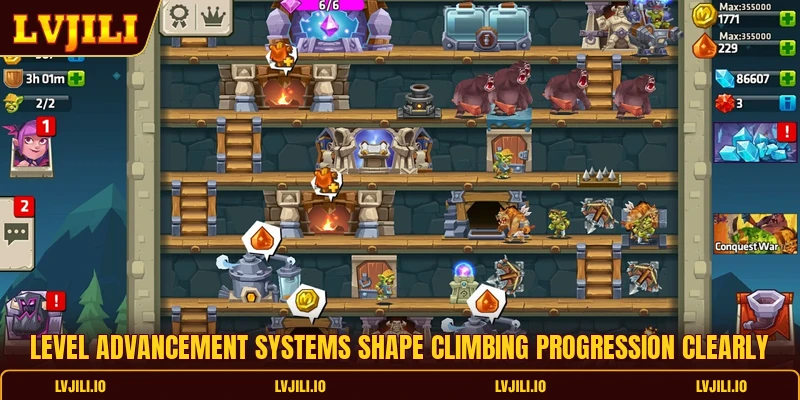
The interface displays advancement clearly through organized stage layouts. Members can easily identify current positions within the overall structure. Visual markers help distinguish completed levels from upcoming opportunities. This arrangement improves readability during active gameplay periods.
Progress indicators also contribute to overall engagement throughout sessions. Clear presentation supports smoother interaction with available features. Many participants appreciate transparent progression because it simplifies decision-making. Structured visuals complement the climbing concept effectively.
Features that make the experience more engaging
Several characteristics contribute to the popularity of this format among participants. These elements support ongoing interest across different sessions.
Simple learning structure
New members can understand the basic objective relatively quickly after beginning participation. The climbing concept remains easy to follow through visual progression. Although the core idea appears straightforward, later stages introduce additional considerations. This balance supports accessibility without eliminating engagement in the tower.
Clear objectives help players focus on progression throughout active rounds. Understanding develops naturally through repeated interaction. The structure avoids unnecessary complications while maintaining meaningful decisions. Many participants appreciate this direct gameplay approach.
Increasing stage pressure
As movement continues upward, each new decision carries greater importance. Accumulated progression naturally raises attention during advanced stages. Players often become more selective when reaching higher positions within the structure. Every choice influences potential continuation through upcoming levels.
This gradual increase creates a changing atmosphere throughout participation. Engagement often develops alongside progression across consecutive stages. The design encourages observation without relying on excessive complexity. Rising importance remains connected directly to advancement.
Consistent session flow
Gameplay follows a logical sequence from beginning positions toward upper levels. Members can track development without confusion during active rounds. Because progression remains organized, transitions between stages feel natural. Each level contributes directly to overall movement within the structure.
The consistent format supports smoother participation across different sessions. Familiar progression patterns help maintain clarity. Many players value straightforward advancement systems during extended activity. Structured movement remains central to the overall experience.
Balanced progression design
The game combines simplicity with ongoing progression opportunities across multiple levels. Advancement remains understandable while still encouraging thoughtful participation. Different stages contribute unique moments throughout the climbing sequence. Players regularly encounter situations requiring evaluation before movement continues.
This balance helps maintain interest during repeated sessions over time. Structured progression remains one of the defining characteristics of a tower. Many members return because the format remains easy to follow while offering meaningful choices. The climbing concept supports long-term engagement effectively.
View more Category: Arcade
Conclusion
Tower remains a recognizable level-based game because progression, structure, and decision-making work together throughout each session. Available through LVJILI, the format provides a clear climbing experience supported by organized advancement systems. The game continues attracting players who enjoy stage progression, visible development, and carefully timed movement across multiple levels.